
Buy to let investors are once again firmly on HMRC’s radar.
We are seeing a noticeable rise in enquiries focused on repairs and renewals claims, particularly where substantial amounts have been deducted from rental income.
At the same time, important changes to incorporation relief are on the horizon.
If you own rental property, now is the time to ensure your tax affairs are watertight.
(Read Time: Approx. 4 minutes)
Topics Discussed:
- HMRC enquiries into repairs and renewals claims and the importance of correct categorisation
- Changes to incorporation reporting from April 2026 and why professional advice is essential
HMRC Scrutiny of Repairs and Renewals
We are increasingly seeing HMRC enquiries into landlords who have claimed significant repair and renewal costs against rental income.
Where the figures are large, this can naturally raise questions.
From HMRC’s perspective, substantial deductions reduce taxable profit, so they will want to ensure the treatment is correct.
There is nothing wrong with claiming genuine repair costs.
In fact, it is entirely legitimate to deduct allowable expenses from rental income.
The issue arises when expenditure has been incorrectly classified.
A key distinction must always be made between a repair and a capital improvement.
A repair is generally work that restores the property to its original condition.
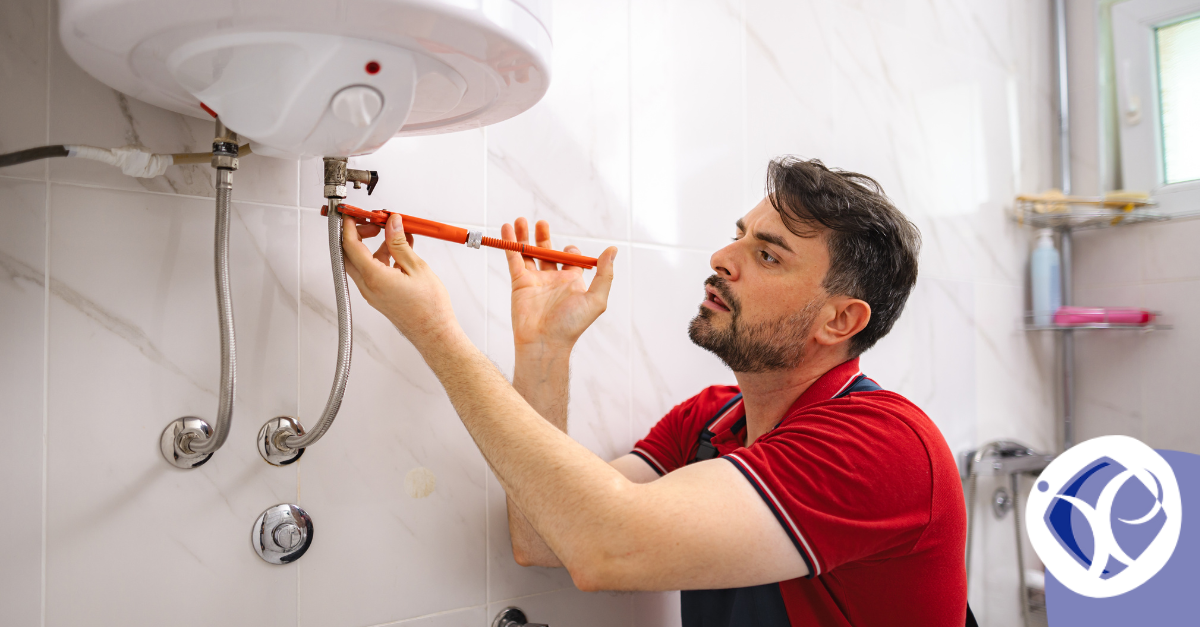
Replacing broken roof tiles, repairing plumbing, fixing damaged flooring or updating worn out fixtures with modern equivalents will usually fall into this category.
These costs are typically deductible against rental income in the year they are incurred.
By contrast, capital improvements enhance or significantly alter the property.
Adding a conservatory, converting a loft into an extra bedroom, building an extension or carrying out a major structural alteration are not repairs; These are capital additions.
Instead of being deducted from rental income, they are added to the base cost of the property and may reduce Capital Gains Tax when the property is eventually sold.
Understanding the Repair and Renewal Rules
HMRC provides guidance on what constitutes allowable property income expenses, including repairs and renewals.
Broadly, the cost of replacing domestic items in a residential letting can be deductible under the replacement of domestic items relief, provided certain conditions are met.
This can cover items such as white goods, furniture and carpets where the old item is replaced like for like.
The rules are set out in HMRC’s Property Income Manual and related guidance. You can find the official guidance here:
https://www.gov.uk/hmrc-internal-manuals/property-income-manual
It is important to appreciate that improvement disguised as repair will not withstand scrutiny.
If you replace a basic kitchen with a substantially upgraded, high specification kitchen that significantly enhances the property, HMRC may argue that this goes beyond a simple repair.
Given the increased level of enquiry activity, landlords should ensure:
- All invoices and supporting documentation are retained
- Work carried out is clearly described
- Their accountant has correctly categorised expenditure
The days of simply assuming everything is a repair are long gone.
Robust record keeping is now essential.
Incorporating Your Property Portfolio from April 2026
The second major issue landlords need to be aware of relates to incorporation.
Many buy to let landlords have considered transferring their property portfolio into a limited company structure.
This has often been driven by changes to mortgage interest relief and the differing tax treatment between individuals and companies.
However, from 6 April 2026, there will be additional reporting requirements.
The previous position, where incorporation relief was often treated as relatively automatic if conditions were met, will no longer be sufficient on its own.
Taxpayers will need to explain on their tax return why they have incorporated their property portfolio into a limited company.
This change gives HMRC greater scope to review whether incorporation relief has been claimed correctly and whether the conditions have genuinely been satisfied.
Incorporation relief is not a simple administrative exercise.
It requires careful analysis of whether a property business is being carried on as a business rather than a passive investment.
If you are considering incorporation, you must ensure that:
- The portfolio genuinely qualifies as a business for tax purposes
- The transfer is structured correctly
- Capital Gains Tax and Stamp Duty Land Tax implications are fully understood
We continue to see situations where individuals have relied on informal advice from self-styled property experts, rather than regulated tax professionals, which can be an expensive mistake.
The Importance of Taking Proper Advice
Tax legislation surrounding property is complex and increasingly scrutinised.
Repairs and renewals are not a grey area to be taken lightly. Incorporation is not a quick fix.
The common thread in many HMRC enquiries is poor categorisation, lack of documentation or reliance on non-specialist advice.
Summary
Repairs and renewals remain a legitimate and valuable relief for landlords, but only where correctly applied and fully supported by evidence.
Incorporation can be highly effective in the right circumstances, yet it demands careful planning and professional input, particularly with the enhanced reporting requirements from April 2026.
In our view, these schemes and reliefs are positive tools when used properly and with structured advice.
However, they are not shortcuts. With careful planning and the right guidance, landlords can remain compliant while optimising their tax position.
If you are reviewing significant repair claims or considering incorporating your portfolio, now is the time to take advice.
Our team specialises in property taxation and can help you navigate these rules confidently and correctly.
Get in touch with us to ensure your position is robust, compliant and strategically sound.
Fill out our form here for any questions, email us at info@taxexpert.co.uk, or message us on our WhatsApp for out of office hours.
Kind regards,
Ilyas Patel